





 SecurityTokenizer

Subscribe Our Newsletter
Intellectual Property Tokenization Development Company
IP Tokenization lets creators turn IP into blockchain tokens. This allows safe ownership, shared investment, licensing, and automated royalties. See how it works, what the benefits are, use cases, and why a firm like us ensures compliance, growth, and lasting worth.
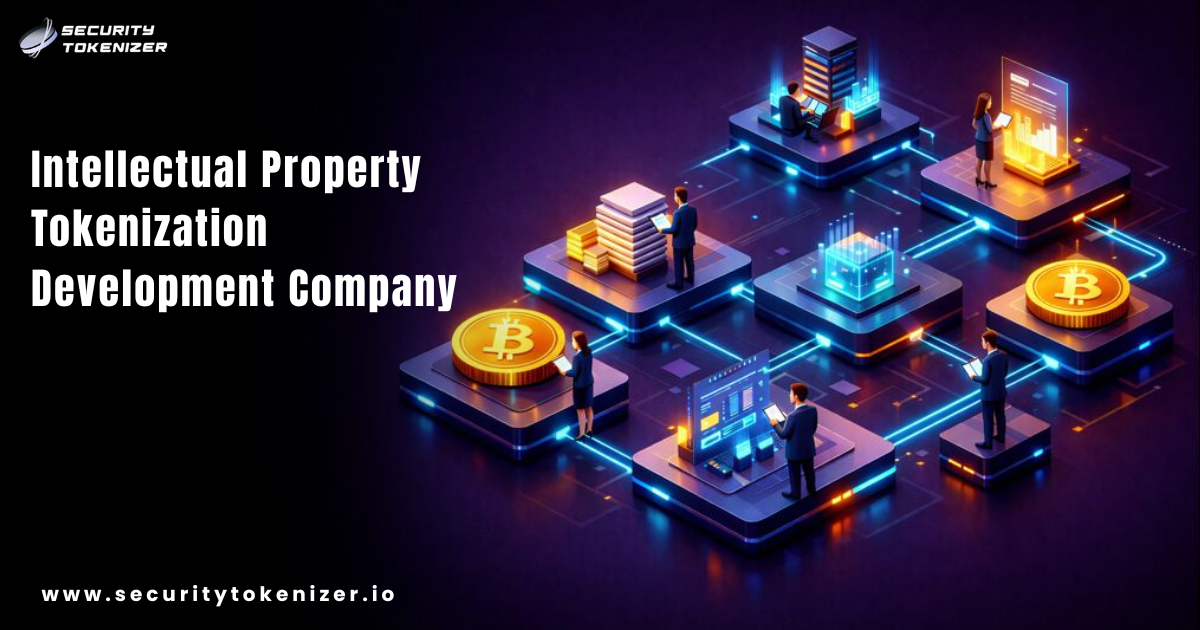
Table of Content
Across many fields, intellectual property is now an asset that isn't always used well. Intellectual Property Tokenization lets creators and businesses turn these rights into digital assets that can be traded easily. By using blockchain's clear nature and organized ownership, IP tokenization opens doors for fresh investments, ways to make money, and chances to grow.
Understanding Intellectual Property (IP) Token
An Intellectual Property (IP) token is a digital asset that represents ownership or rights to something like a patent, copyright, or trademark, generated by transforming traditional IP into secure, transferable tokens on a blockchain. This allows for simplified fractional ownership, streamlined licensing, automated royalty payments, and investment opportunities via smart contracts. These tokens enhance transparency, offer worldwide accessibility, and introduce innovative methods for monetizing creative content and inventions.
How Intellectual Property Tokenization Works
Step 1: IP identification and valuation
Figure out what intellectual property you have and what it's worth on the market and legally. This valuation makes sure everyone's on the same page and builds confidence. It also helps us create tokens that are safe and follow the rules.
Step 2: Legal structuring and rights mapping
Clearly define who owns what, what the licensing rules are, and how revenue is split. This makes sure token holders know their economic and legal risks. Good structuring makes blockchain integration easy.
Step 3: Token creation and smart contracts
Develop digital tokens representing intellectual property ownership or revenue through smart contract technology. These contracts automatically enforce rules, distribute royalties, and manage transfer conditions, transforming intellectual property into blockchain-ready assets.
Step 4: Blockchain deployment and security
Put the tokens on secure blockchain networks to make sure they can't be changed and can be tracked. Blockchain IP Tokenization makes ownership and history clear. Secure setup builds trust.
Step 5: Marketplace listing and lifecycle management
List your tokenized IP assets on a blockchain-based IP marketplace for trading and investment, and continuously monitor compliance, royalty payments, and performance, ensuring a seamless completion of the process.
Key Features of an IP Tokenization Platform
Fractional ownership enablement
Fractionalization splits IP assets into smaller, more affordable pieces, so more people can be involved. Investors can get into valuable assets without needing lots of money. This also makes it easier to buy and sell.
Automated royalty distribution
Smart contracts enable automatic and transparent revenue distribution to token holders, with real-time payments triggered by predefined rules, fostering trust and ensuring seamless operations.
Regulatory and compliance controls
Built-in compliance tools help with laws and investor requirements. This keeps both issuers and participants safe from legal problems. Being ready for compliance makes the platform more trustworthy.
Transparent ownership tracking
Blockchain keeps a permanent record of who owns what and the history of transactions. This openness cuts down on disagreements and increases trust. Clear tracking helps the secondary market.
Secure asset and data protection
Robust encryption and blockchain technology protect sensitive intellectual property by preventing unauthorized access and alterations. These security measures are essential for establishing a sustainable token ecosystem.
Types of Intellectual Properties That Can Be Tokenized
Patents and Inventions
You can make tokens from patents to show who owns them or who can use them. This opens up new ways to fund projects and make money, which is good for industries that rely on new ideas.
Copyrighted Digital Content
You can make tokens from things like music, movies, books, and other digital stuff to share profits and give licenses. This gives creators a clear way to earn money and helps build economies run by creators.
Trademarks and Brand Assets
Brands can launch limited editions tied to their trademarks to strengthen partnerships and secure funding. These exclusive releases foster a sense of urgency and scarcity, driving consumer interest and engagement.
Software and Proprietary Technology
You can make tokens from source code and systems to control who can use them and how. This lets you make money from your tech in a big way, which helps software companies and big businesses keep innovating.
Industrial Designs and Trade Secrets
You can make tokens from designs and secret information with rules about who can see them. This keeps your info safe but still allows you to work with others. By controlling who sees what, you can get the most out of your assets.
Benefits of Intellectual Property Tokenization
For IP Owners
Tokenization changes your intellectual property into digital assets that can bring in money regularly. You stay in charge while gaining access to global capital and partners. This gives you more ways to make money and reach a bigger market.
For Investors
Now you can invest in IP-backed assets with ownership records that are easy to understand. Smaller tokens make it easier to get involved and spread your risk across different investments. This opens up new possibilities in alternative investments.
For Businesses
Tokenized IP helps businesses get funding, build partnerships, and speed up innovation. Blockchain makes sure everything is clear, trustworthy, and efficient. This leads to business models that can grow and adapt to the future.
Technology Stack Used for IP Tokenization Development
Blockchain platforms
Ethereum, along with other blockchains that can handle more volume, offer a safe and open setup for tokens. They keep track of who owns what and handle transactions in a way that can't be changed. What blockchain you pick can change how well things work and if you meet rules.
Smart contract frameworks
Smart contract tools enable automatic token actions, such as distributing royalties and enforcing rules, while building these contracts ensures accuracy. Automating processes reduces the need for manual intervention.
Security token standards
Token rules explain who owns what, how things can be moved, and what rules need to be followed. They make sure tokens work with different exchanges and wallets. Rules help different systems work together.
Digital wallets and custody solutions
Wallets manage token storage, transfers, and user identification, allowing users to hold securely and move digital assets. Setting up a wallet grants users full control and access to their holdings and transactions.
Data analytics and valuation tools
Analysis tools watch how assets are doing, how they're used, and how much money they make. Info about value helps people make smart choices. Clear data makes investors trust things more.
Use Cases of Intellectual Property Tokenization
IP-backed fundraising
Tokenized IP lets startups get funds without giving away company shares. Investors can join in using asset-backed tokens.
Royalty-based investment models
Investors get paid from the money IP makes through tokenized royalties. This keeps creators and investors on the same side.
Licensing and commercialization
Tokenization makes licensing deals simpler with smart contracts. Automated enforcement cuts down on arguments.
Cross-border IP trading
Blockchain gets rid of location problems in IP deals. Investors everywhere can easily get to assets. Doing business across borders gets smoother, which helps with cash flow.
Collaborative innovation ecosystems
Many people can jointly own and build IP assets through tokens. Working together becomes organized and clear.
Why Choose a Professional IP Tokenization Development Company?
A skilled token development company offers expertise in legal frameworks, blockchain tech, and security vital for lasting platforms. Firms such as Security Tokenizer focus on providing strong IP tokenization fixes that connect asset worth with investor confidence. An experienced token company makes sure smart contracts, security steps, and marketplace prep are smoothly integrated. Skilled teams lower risks tied to value, rules, and technology. They offer flexible designs that fit changing IP markets. Smart advice improves asset results and acceptance over time. Picking the correct partner turns intellectual property into a forward-thinking digital asset group.