


 SecurityTokenizer

Subscribe Our Newsletter
Art Tokenization Platform Development: Redefining Ownership and Value in the Digital Art Economy
Explore how Art Tokenization Platform Development transforms art ownership. Learn about NFT and fractional tokens, smart contracts, secure marketplaces, and the benefits for artists, investors, and galleries in the digital art economy.
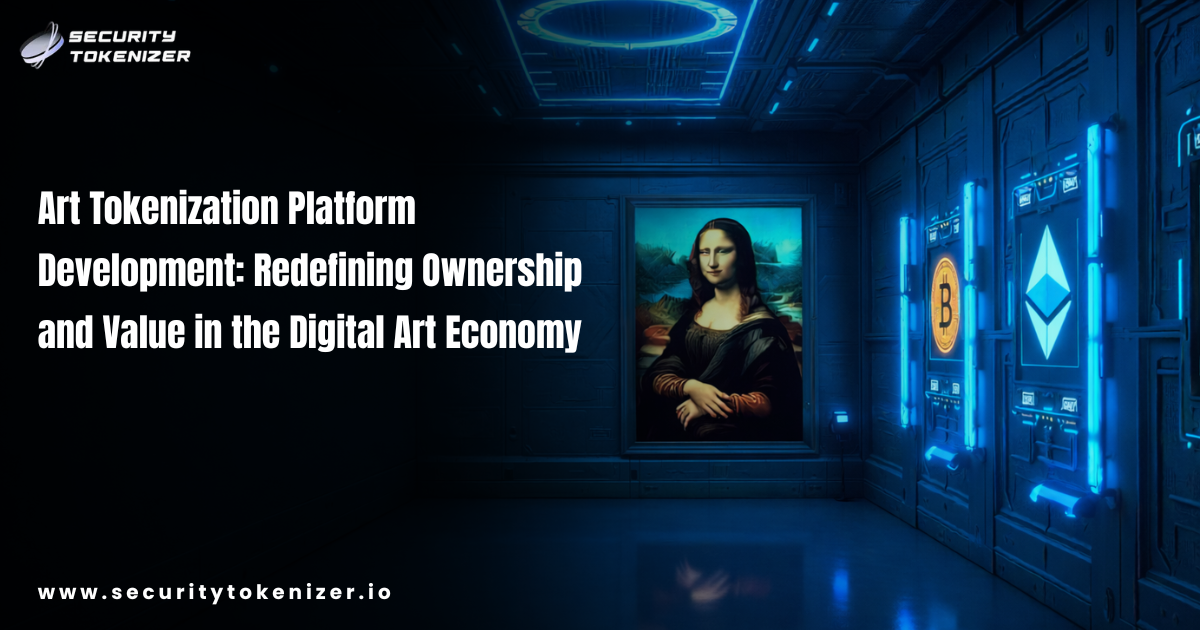
Table of Content
Art ownership is changing. Artists, investors, and organizations want clearer, safer, and easier ways to trade and handle valuable art. An Art Tokenization Platform connects regular art markets with blockchain tech, creating easier transactions and more reliability. This service meets current user needs and prepares for the future of digital asset ownership.
What Is an Art Tokenization Platform?
An art tokenization platform is a digital system that leverages blockchain technology to transform ownership of physical or digital artworks into secure, digital tokens. These tokens are stored on a tamper-proof ledger, enabling transparent, verifiable, and often fractional ownership of valuable artworks that were previously inaccessible and difficult to trade.
How Art Tokenization Platform Development Works
Art verification & onboarding
Before art makes it onto our platform, we check its authenticity, history, and legal status. This builds confidence for both artists and buyers. After verification, we turn the art into digital tokens.
Token creation (NFT / fractional tokens)
Depending on the project, we create either NFT Art Tokens or Fractional NFT Art Ownership tokens. This gives flexibility in how art is owned, all while keeping things open and traceable. Smart contracts then take over to manage these tokens.
Smart contract execution
Our smart contracts automatically handle ownership rules, royalty payments, and confirm transactions on our Smart Contract Art Platform. This cuts out the middleman and makes sure agreements are always followed, creating a smooth process for owning and trading art.
Ownership & trading process
The platform lets users easily buy, sell, and trade art tokens securely. Blockchain tech keeps a permanent record of every transaction and updates ownership in real-time. This shows why having a strong platform is so important.
Key Features of an Art Tokenization Platform
Art listing & metadata management
Listing art and controlling its data makes sure the work is shown right. This includes details about the artist, its history, and how it's valued. This info helps people find the art and trust the site.
Token minting & management
Token creation and control services safely make, give out, and manage art tokens. These features help marketplaces follow rules and grow. They work well with the marketplace's trading tools.
Marketplace (buy / sell / trade)
An included art marketplace lets people buy, sell, and trade art tokens safely worldwide. It offers easy trading while keeping things open and building user trust. It connects directly with wallets and payment options.
Wallet & payment setup
Wallet and payment setup works with crypto wallets and regular payment methods for easy buying and selling. This helps more people use the platform and makes transactions quicker. It also allows for correct tracking of royalties and ownership.
Royalty & ownership track
Royalty and ownership track makes sure artists get paid automatically each time their work is resold. It also keeps clear records of who owns what. This increases the long-term value for artists and makes investors more confident.
Blockchain Technologies Used in Art Tokenization
- Ethereum, Polygon, Sonic, etc.: Blockchains like Ethereum, Polygon, and Sonic provide scalable, cost-efficient infrastructure for Art Tokenization Platform Development.
- Smart contracts & EVM compatibility: EVM-compatible smart contracts ensure standardized deployment, security, and integration across blockchain networks.
- Security & immutability: Blockchain immutability ensures tamper-proof ownership records and transaction histories.
NFTs vs Art Tokenization Platforms
NFTs usually show who owns a piece of digital or real-world art. They're often used for things like collectibles and markets run by creators. While NFTs can prove something is real and who owns it, they don't always have features like shared ownership, official trading rules, or the kind of security big companies need. Non-Fungible Tokens(NFTs) often rely on outside marketplaces, which limits how much you can change and control. This arrangement suits solo creators but may deter larger investors. As popularity grows, people begin seeking improved solutions.
Art tokenization platforms do more than just basic NFTs. They allow you to split ownership of art, have strong rule-following systems, and built-in trading spaces. These platforms can handle different kinds of assets, ways for investors to get involved, and managing value over time. They're made to grow, be managed well, and be used by businesses. This makes them great for galleries, investment groups, and organizations that want clear digital ownership.
Benefits of Art Tokenization for Artists & Investors
Increased liquidity
Art tokenization helps free up cash by letting people own parts of artworks and trade them easily worldwide. Art that is difficult to sell becomes more accessible for people to invest in, making it easier for both artists and investors to enter and exit the market as needed.
Secure ownership
Records of who owns what, using blockchain, make sure everything is clear, unchangeable, and real. Every trade is noted safely and can't be changed. This cuts down on arguments about who owns what and makes the market more trustworthy for the long haul.
New revenue opportunities
Artists can get regularly paid through automatic royalty systems in smart contracts. Tokenization also gets their work seen by more people in online marketplaces. Investors can build different collections tied to valuable art.
Global market access
Tokenized art gets rid of location and organization limits. Artists can show their stuff to everyone without needing go-betweens. Investors can get into art markets worldwide simply and quickly.
Transparent valuation & provenance
Blockchain keeps a track of an artwork's past and price. Knowing where it came from helps prove it's real and who has owned it. This openness helps people make smart choices about where to invest and what's a fair price.
Use Cases of Art Tokenization Platforms
- Art galleries & museums: Galleries and museums use tokenization to put collections online, get funding, and reach people everywhere.
- Digital artists & creators: Digital artists use Art NFT Marketplace platforms to sell their work safely and find new buyers. Tokenization makes their work more visible and keeps its value.
- Art investors & collectors: Investors can now buy different kinds of art with clear ownership and easy trading. This makes it simpler to invest and manage art collections.
Why Choose a Professional Art Tokenization Platform Development Company
A Token Development Company provides an Art Tokenization Platform Development that is secure, scalable, and meets market needs and rules. Experts in blockchain, smart contracts, and marketplace design make sure everything works well and is reliable for the long run. With Security Tokenizer, valuable art and investor money are safe. Right from the start, the pros plan for growth, trading, and management needs. They also make sure the platform works with wallets, markets, and rule frameworks. This useful approach allows for lasting growth in the developing blockchain art world.